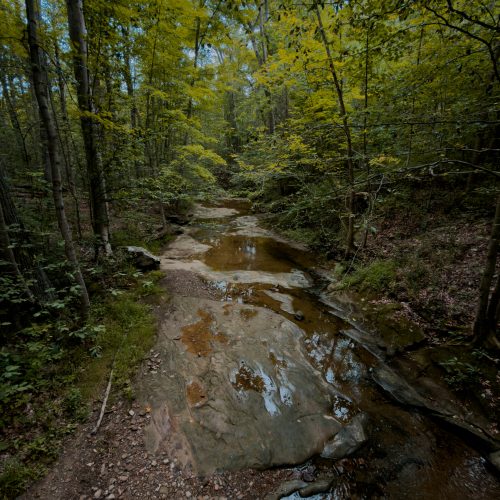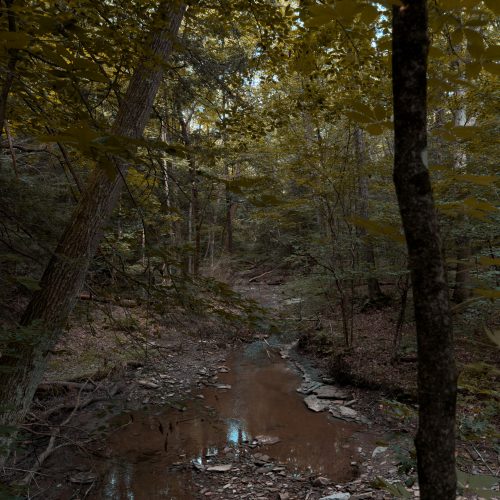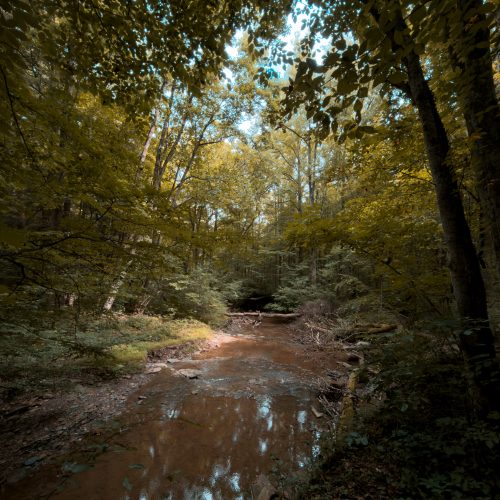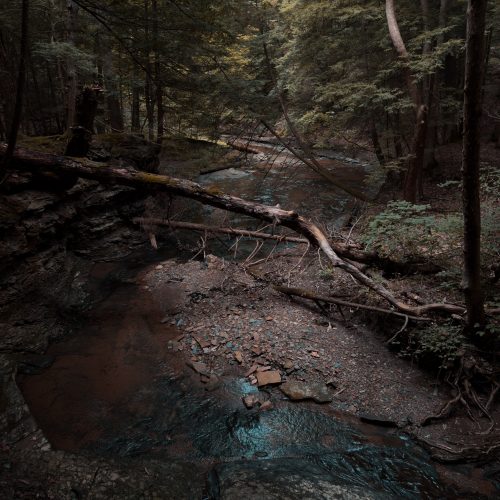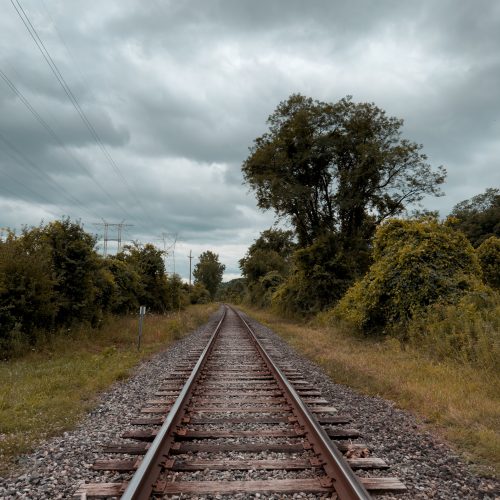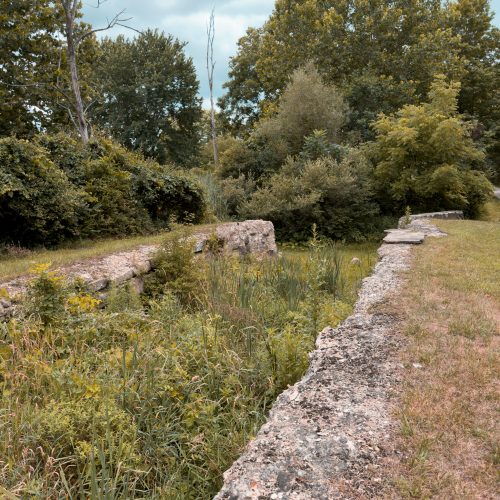
Sometimes Forgetting Your Camera Is Exactly What You Needed
There’s a little ritual that photographers have before they leave the house. You don’t really think about it anymore because you’ve done it so many times, but somewhere between grabbing your keys and locking the front door you’re mentally checking things off. Camera. Batteries. Memory cards. Water. Tripod? No, don’t need that today. Extra lens? Nah. You just sort of run through everything automatically.
Apparently my brain decided to skip that checklist. About ten minutes into the drive to Boston Mills Visitor Center, I had one of those moments where your stomach just drops. I realized I’d forgotten my camera. Not an extra battery. Not a memory card. The entire camera. My OM-1 was still sitting safely at home while I was halfway to one of my favorite places in Cuyahoga Valley National Park.
For a few minutes I actually debated turning around. If you’ve hiked with me before—or if you’ve read many of these blog posts—you already know that camera has become part of my hiking kit. It’s clipped to my backpack almost every time I hit the trail. At this point I don’t really think about using it anymore. I see something interesting, I unclip it, take the picture, clip it back on, and keep walking. It’s become muscle memory.
Then I started asking myself a different question. Not, “Should I go back?” but rather, “What happens if I don’t?”
Photographers love constraints. It’s almost funny when you think about it. We spend years buying different lenses and different cameras only to intentionally handicap ourselves later. “Today’s a 35mm only day.” “Today’s black and white.” “Today’s one prime lens.” We do it because limitations force us to think differently. So I figured maybe today would just become… iPhone Day.
I have a new iPhone 17 Pro. Other than the occasional snapshot, I really haven’t put it through its paces as a photography tool yet. If there was ever going to be a day where I found out whether it could actually keep up with how I like to shoot, this seemed like as good a day as any. The funny thing is that the longer I drove, the less disappointed I became.
One thing people don’t think about very often is that carrying a dedicated camera changes the way you hike. It’s not the weight. The OM-1 isn’t heavy, and the Peak Design Capture Clip—which, by the way, is one of the greatest pieces of photography gear anyone has ever designed—does an amazing job carrying it. But it’s still there. It still swings a little. It still bumps against your chest every now and then. Every once in a while you instinctively put a hand on it just to stop it from rattling. Plus, today’s hike also happened to be the first time I was going to use trekking poles. Trekking poles plus a camera clipped to your backpack starts feeling like you need a third arm.
So somewhere between Massillon and Boston Mills I made peace with it. The camera wasn’t coming. The phone was going to have to be enough.
A Familiar Beginning
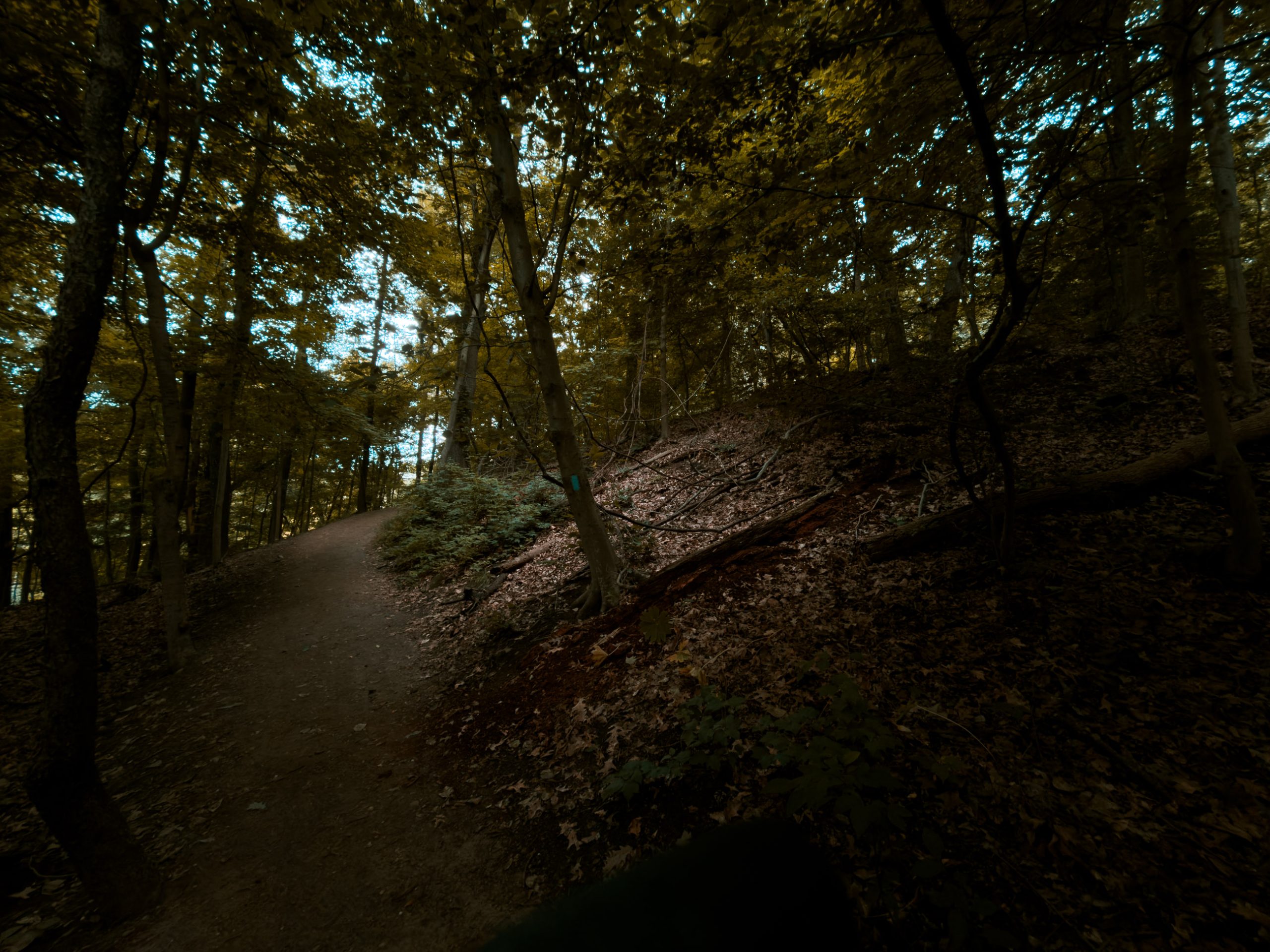
The first mile or so of this hike is completely familiar territory for me. If you’ve ever gone to Blue Hen Falls from the Boston Mills Visitor Center, you’ve already walked this section. I couldn’t tell you exactly how many times I’ve done it at this point, but it’s comfortably into the double digits.
One thing I noticed almost immediately, though, is how differently that first climb felt.
The trail starts by climbing 234 feet in what feels like one long push. I remember when that hill used to tire me out. Now? Now it’s become my rolling start. Every once in a while it’s nice to have those little reminders that you’re stronger than you used to be. Fitness is funny because you almost never notice yourself getting better while it’s happening. You only notice it months later when something that used to be difficult quietly becomes routine. That’s exactly what this hill has become.
The First Choose-Your-Own Adventure
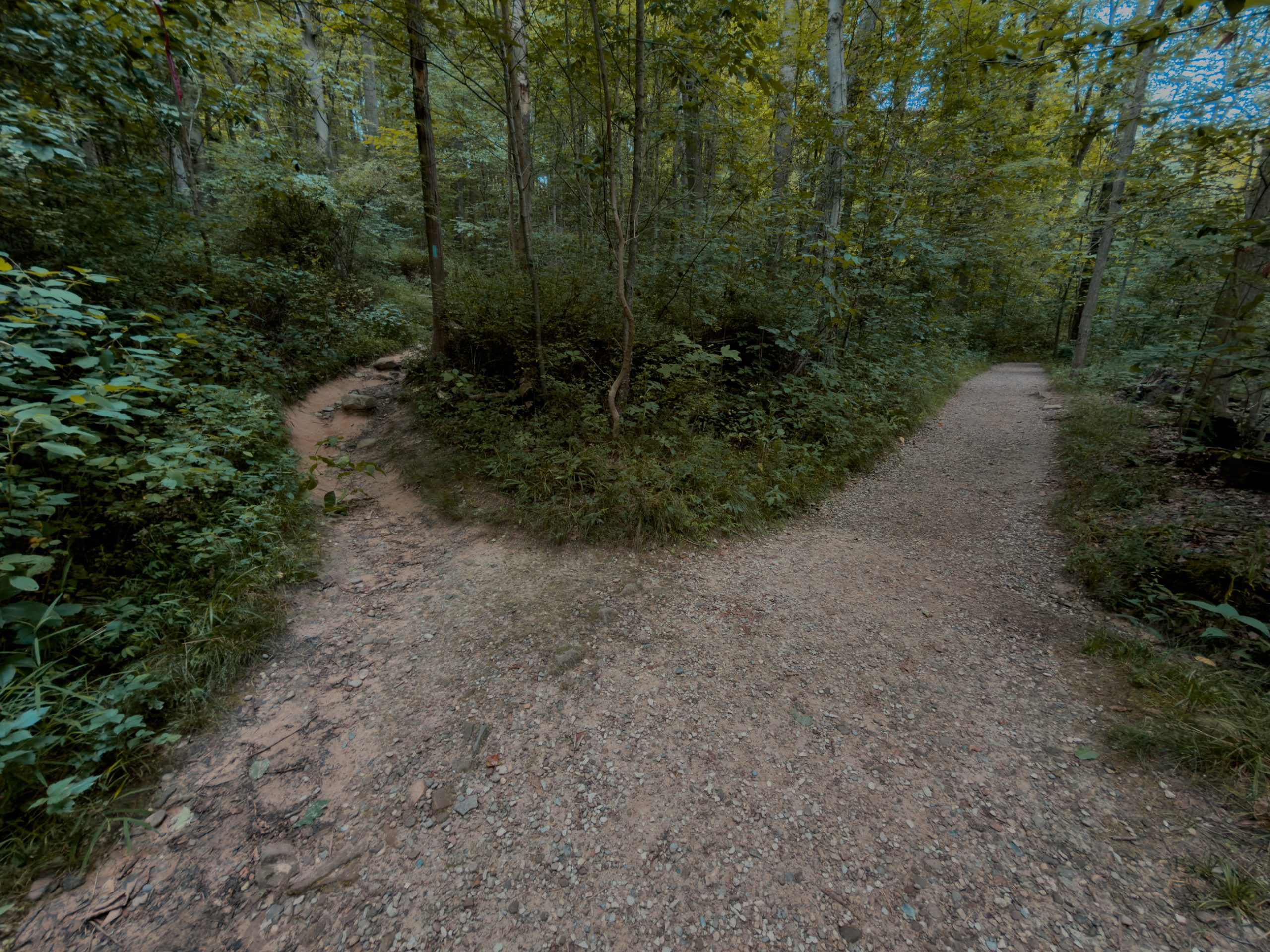
About 1.2 miles into the hike you arrive at what I’ve started calling the first choose-your-own-adventure.
If you turn right, you’re headed to Blue Hen Falls. It’s a fantastic little waterfall, and if you’ve never been there before, absolutely go. It’s worth it. This time, though, I turned left.
That single decision completely changed the day.
What’s funny is that I’d been to Blue Hen Falls so many times that I honestly thought I knew this area pretty well. It never really occurred to me that I’d somehow ignored an entirely different section of the park simply because I’d always made the same turn.
The difference was immediate. The gravel road toward Blue Hen continues straight ahead. It’s wide, well maintained, and comfortable. The Buckeye Trail… not so much.
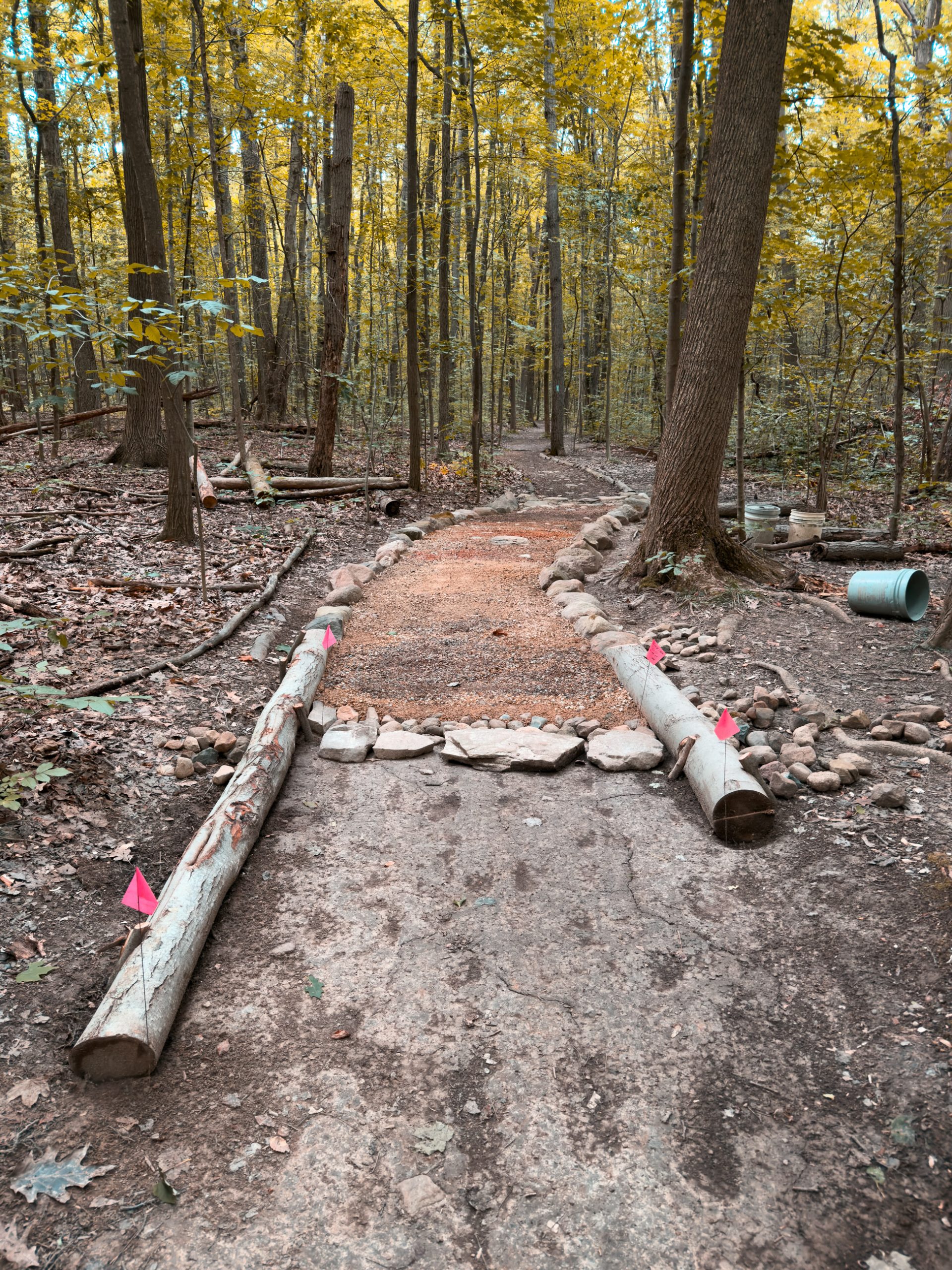
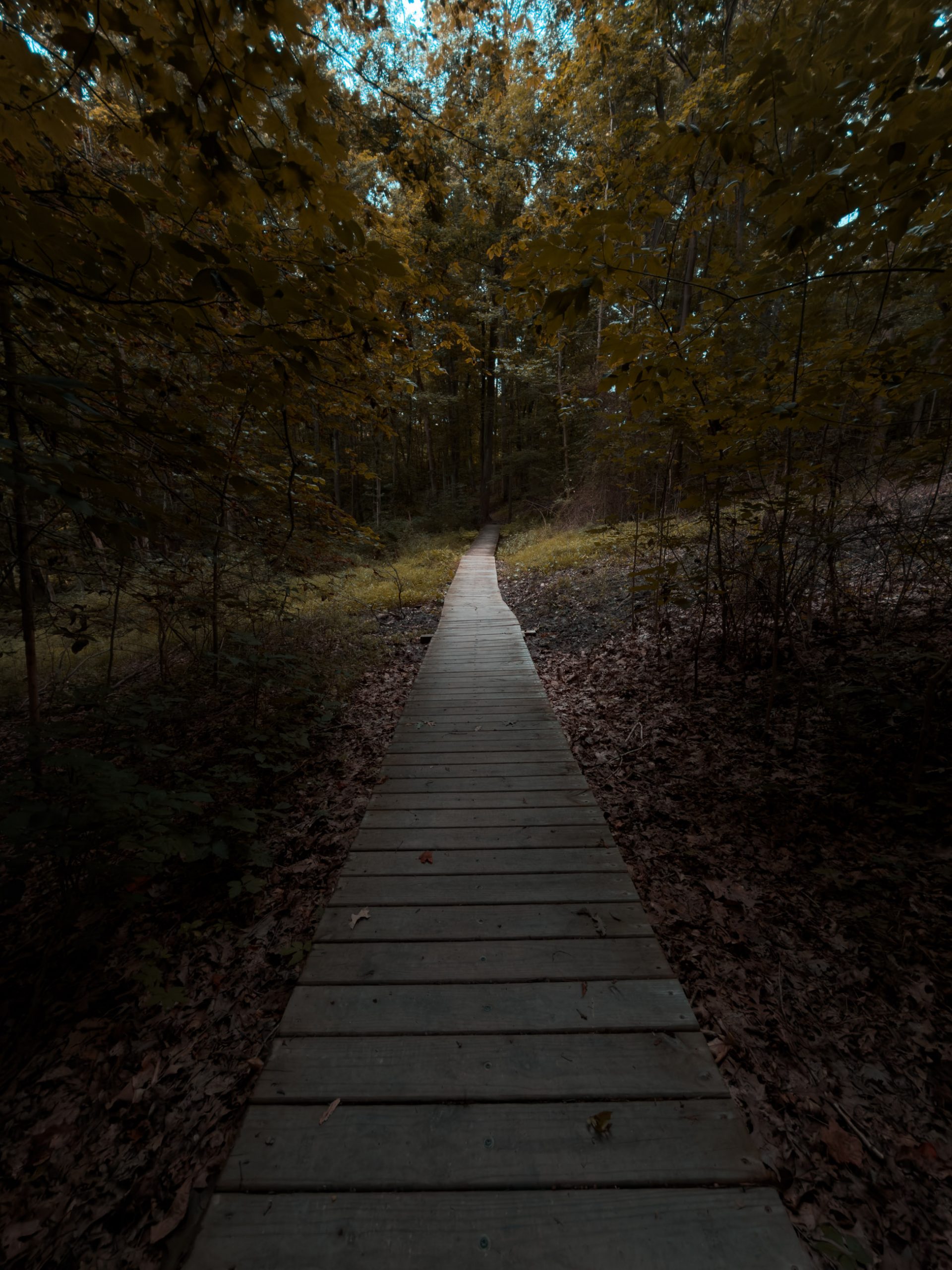
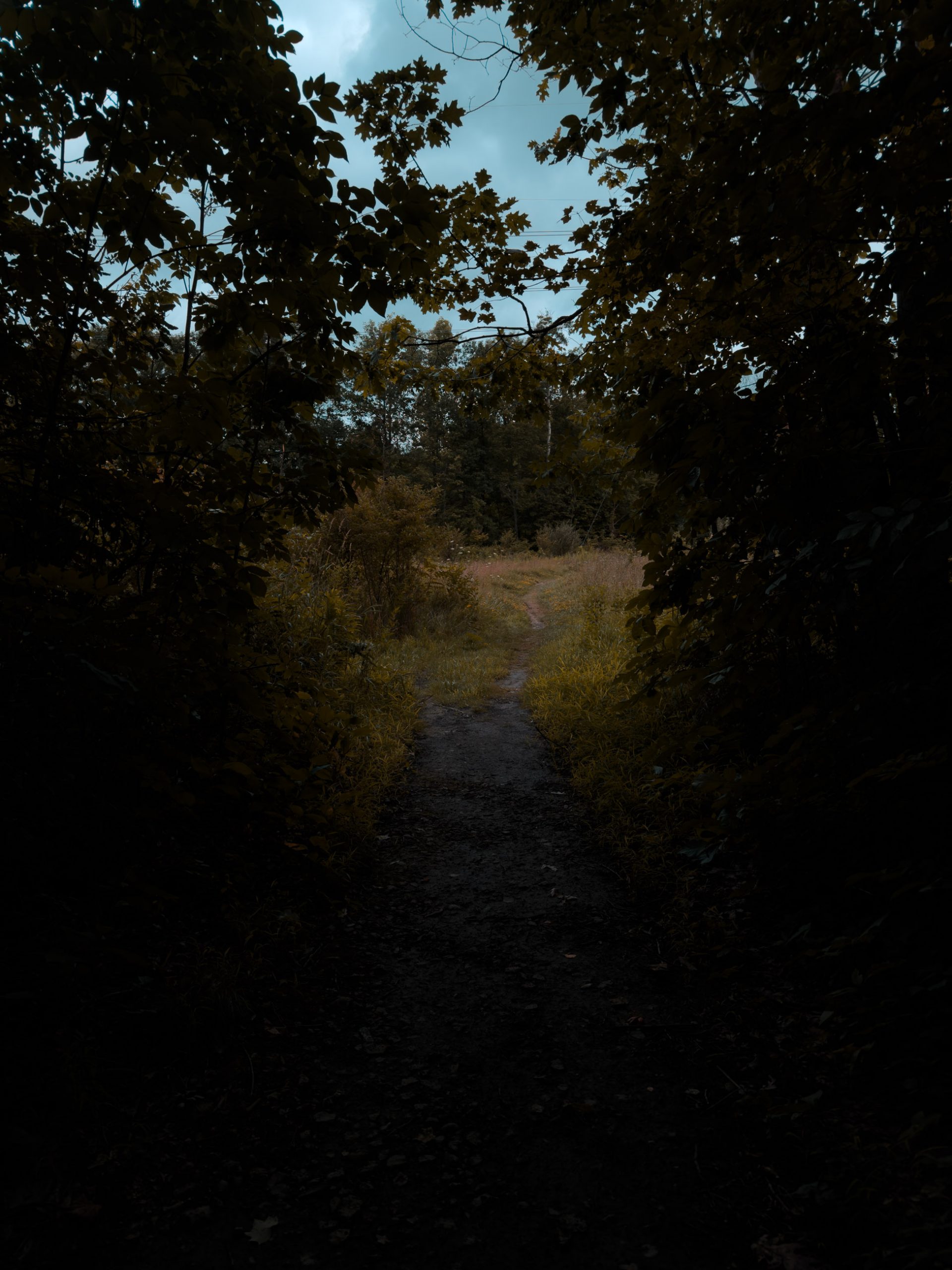
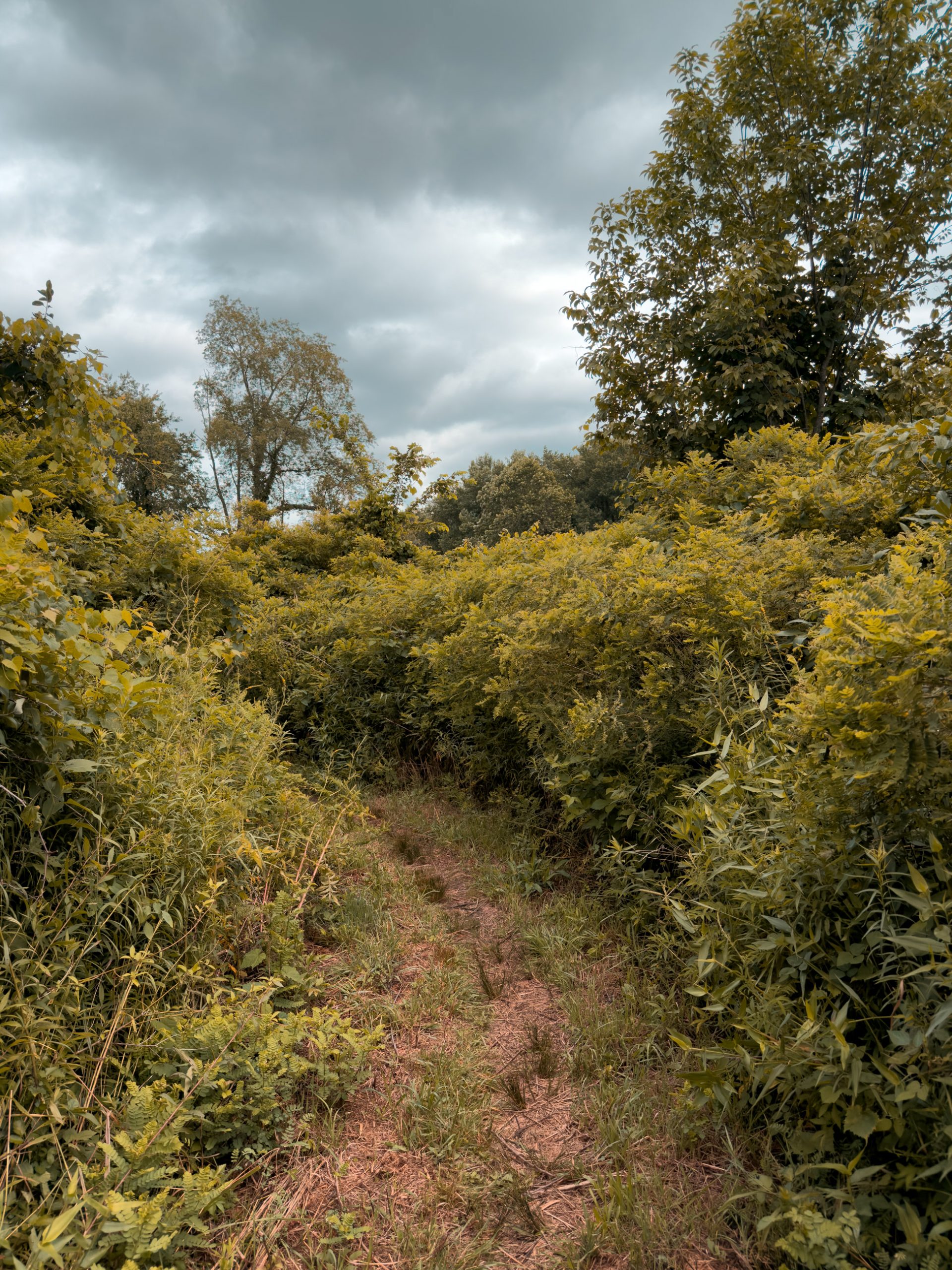
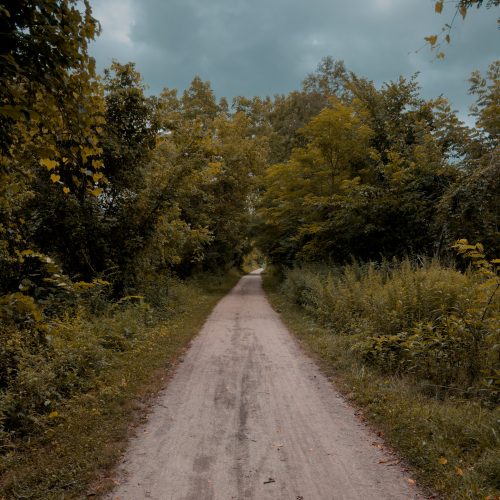
It immediately narrows down into a little dirt path that disappears into the woods. Some sections were barely wider than my shoulders. The trail looked worn into the landscape instead of constructed through it, and I absolutely love that.
I’ve realized over the last couple of years that my favorite trails are almost never the popular ones. I like trails where you get the feeling that nature is still winning. Where the path feels just barely maintained enough for people to get through, but if everybody stopped hiking tomorrow the forest would erase it in a season or two. That’s exactly what the Buckeye Trail felt like.
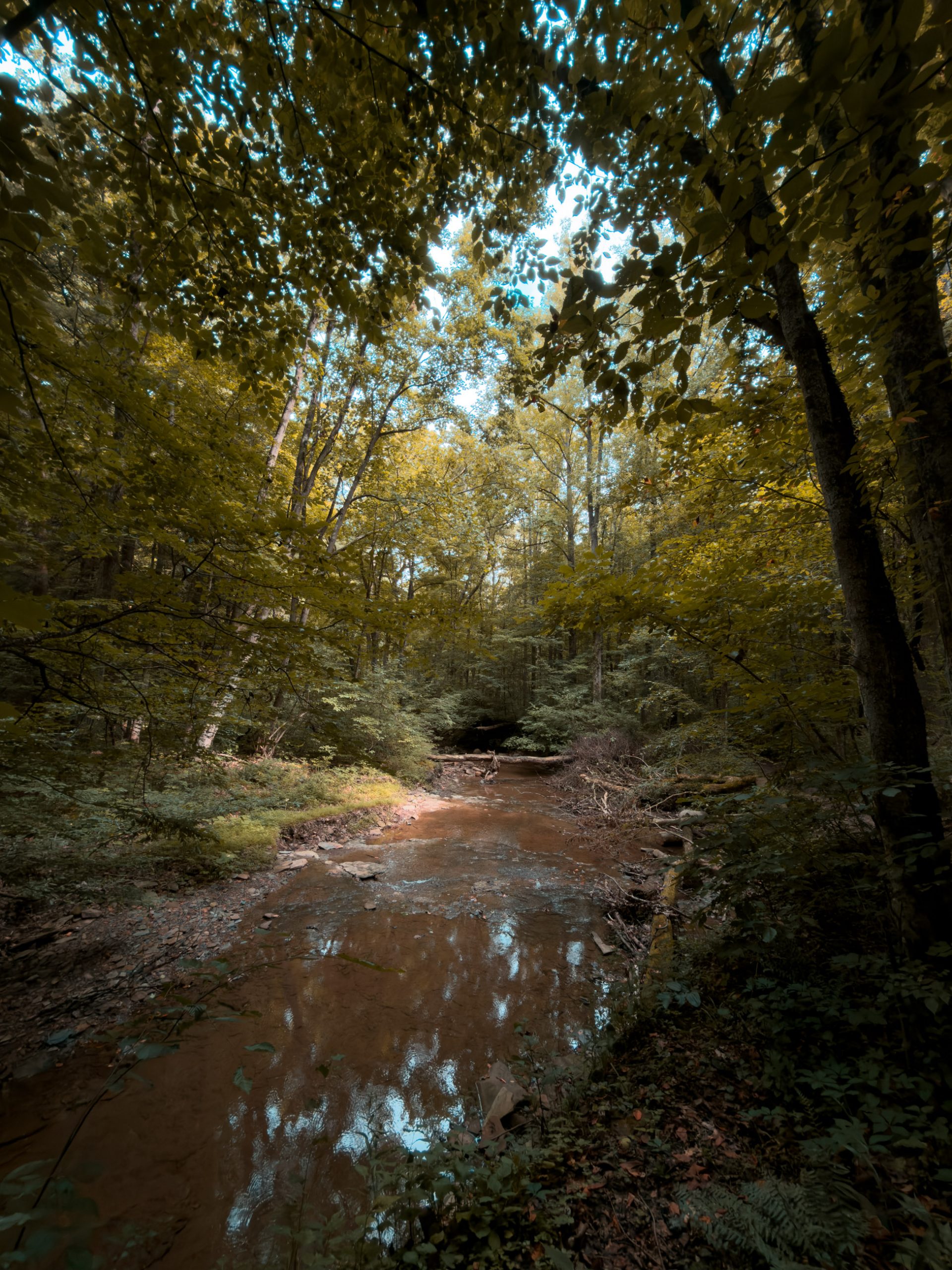
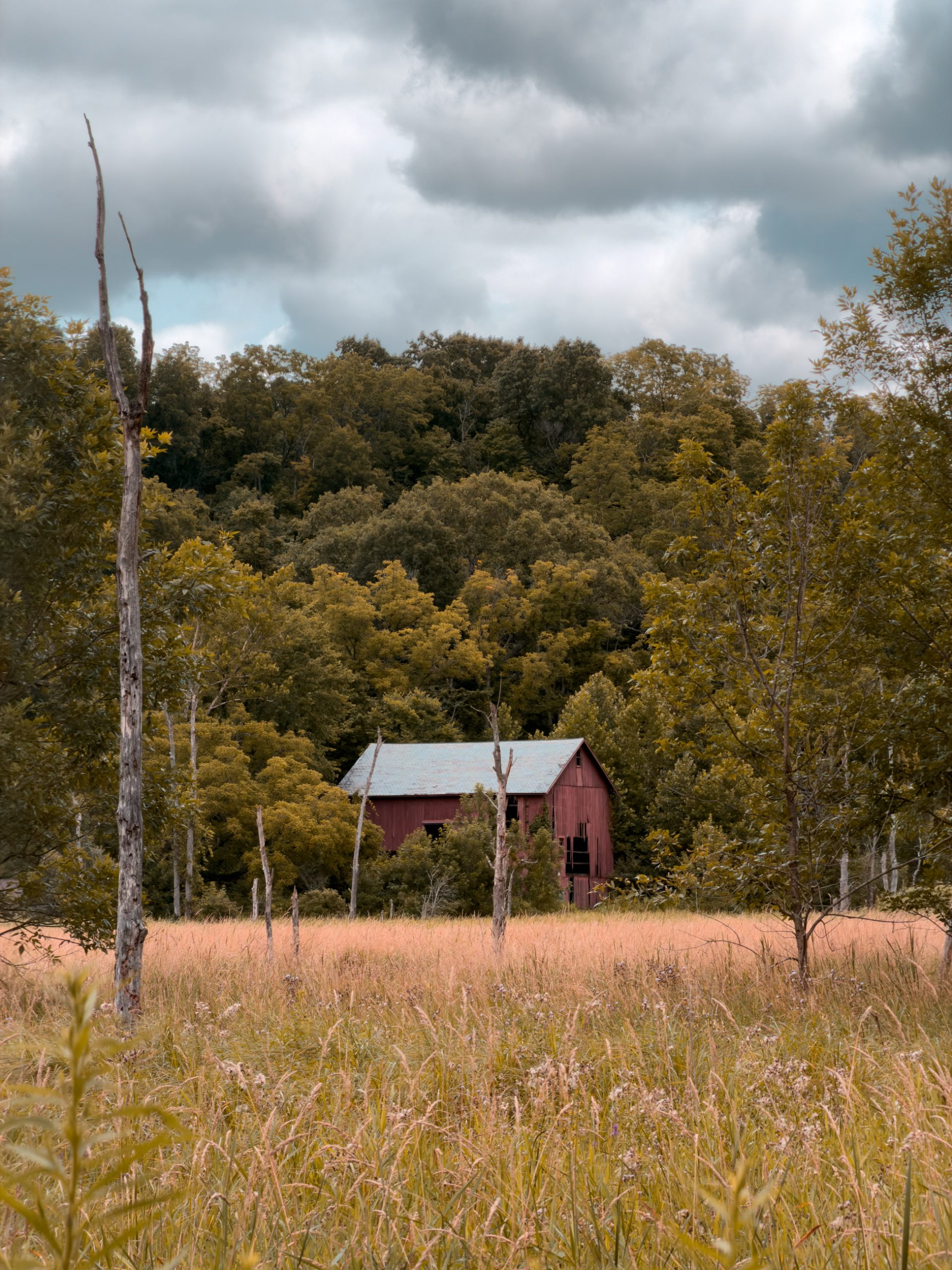
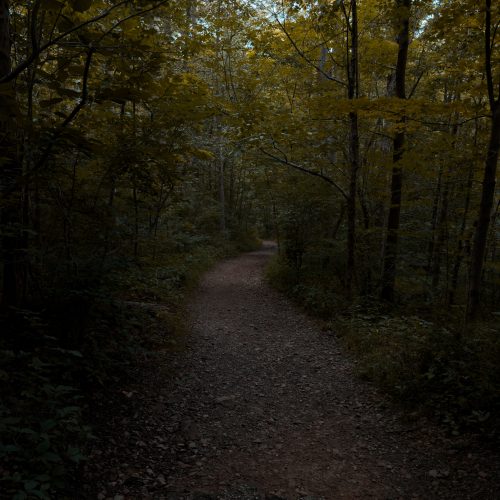
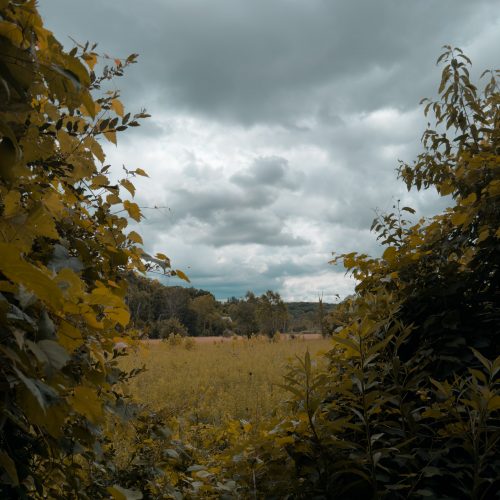
Within a quarter mile the environment was already changing. One minute you’re surrounded by dense canopy. Then the trail opens into a clearing flooded with light before pulling you right back into the woods again. I’ve always loved that effect. It feels like walking through portals. Every time you re-enter the trees it’s like stepping into another room of a much larger forest.
I don’t think I’d ever really appreciated just how much variety existed on this side of the park.
And the funny thing is I’d barely even started.